Private yacht charter guide: what to know before you book
Chartering a yacht for the first time can feel like entering a market where everyone else already knows the rules. Brokers quote weekly rates that may or may not include fuel. Something called an APA shows up on the contract. The yacht looks perfect in photos, but you are not sure whether you need a captain, a crew, or just the keys and a map.
This guide covers the practical side of booking a private yacht charter, from choosing the right type of charter to understanding what the final bill actually looks like. It is written for the person booking the trip, not the operator, though charter operators will find it useful as a reference to share with first-time guests. For the business side of running charters, see the Charter Yacht Operations Guide.

Contents
- Types of private yacht charter
- What does a private yacht charter actually cost?
- The booking process step by step
- Understanding the charter contract
- APA: the budget you did not expect
- Choosing a destination and season
- What to pack and how to prepare
- FAQ
Types of private yacht charter
Not all charters work the same way. The type you book determines how much you spend, how much experience you need, and what the week actually feels like.
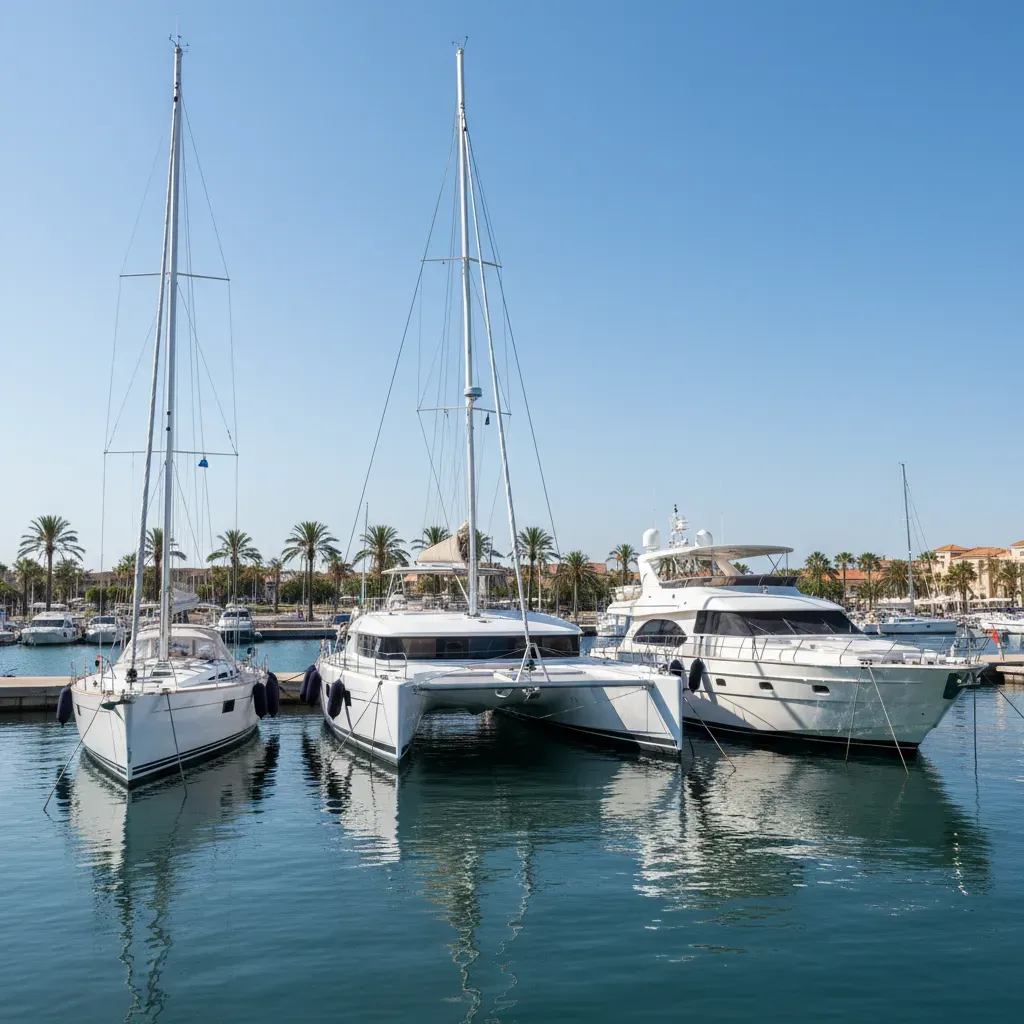
A bareboat charter means you rent the yacht and sail it yourself. No captain, no crew. You need a valid sailing licence (ICC or equivalent in most European jurisdictions) and enough experience to handle the vessel safely. Bareboat is the cheapest option per day and gives you total freedom over your itinerary. Most bareboat charters are 30-to-50-foot sailing catamarans or monohulls in the Greek Islands, Croatia, or the British Virgin Islands.
A skippered charter adds a professional captain. You get someone who knows the local waters, handles docking, and takes responsibility for the vessel. Skippers typically cost €150 to €250 per day on top of the base charter fee. Good middle ground if you want to sail but do not have enough experience or confidence to go bareboat.
A crewed charter includes a full crew: captain, chef, stewardess, and sometimes additional deckhands depending on yacht size. This is the standard for motor yachts above 50 feet and most superyachts. The service level is closer to a boutique hotel than a self-catering holiday. Bookings go through charter brokers (more on this below) and follow the MYBA Charter Agreement, the industry-standard contract.
All-inclusive charters bundle the base fee, crew, fuel, food, drinks, and sometimes water sports into a single price. Less common in yacht charter than in resort holidays, but some Caribbean operators offer them. You know the total cost before you board, which some people prefer. The trade-off: all-inclusive rates are typically 30% to 50% higher than an equivalent crewed charter booked separately.
| Charter Type | Crew Included | Licence Required | Typical Yacht Size | Weekly Cost Range |
|---|---|---|---|---|
| Bareboat | No | Yes (ICC or equivalent) | 30–50 ft | €2,000–€8,000 |
| Skippered | Captain only | No | 30–55 ft | €3,000–€10,000 |
| Crewed | Full crew | No | 50–160 ft | €15,000–€200,000+ |
| All-inclusive | Full crew | No | 50–120 ft | €25,000–€300,000+ |
What does a private yacht charter actually cost?
The weekly charter fee is only part of the total cost. First-time charterers are often caught off guard by what gets added on top. Here is what a realistic budget looks like.
The base charter fee is what the yacht advertises. For a 45-foot catamaran on bareboat in Greece during July, expect €4,000 to €7,000 per week. For a crewed 70-foot motor yacht in the French Riviera, €25,000 to €50,000 per week. Superyachts above 40 metres start at €100,000 per week and go well beyond.
On top of the base fee, you pay for:
- Fuel, which varies enormously by yacht type. A sailing catamaran might use €200 to €400 in fuel per week. A 30-metre motor yacht can burn €3,000 to €8,000.
- Food and beverages, either self-provisioned on bareboat or covered by the APA on crewed charters.
- Marina fees at ports you visit, typically €50 to €500 per night depending on location and yacht size.
- Broker commission, which is paid by the yacht owner, not by you. But it is built into the charter fee.
- Crew gratuity on crewed charters, customarily 10% to 20% of the base charter fee.
To put this in per-person terms:
| Scenario | Yacht | Guests | Base Fee | Extras (est.) | Total | Per Person |
|---|---|---|---|---|---|---|
| Budget bareboat, Greece | 42 ft catamaran | 8 | €5,000 | €1,500 | €6,500 | €812 |
| Mid-range skippered, Croatia | 50 ft catamaran | 8 | €8,000 | €3,000 | €11,000 | €1,375 |
| Crewed motor yacht, Côte d’Azur | 72 ft motor yacht | 6 | €35,000 | €12,000 | €47,000 | €7,833 |
| Superyacht, Caribbean | 40 m motor yacht | 10 | €120,000 | €40,000 | €160,000 | €16,000 |
The budget bareboat scenario works out to roughly €115 per person per day. That is competitive with a decent hotel in the Greek islands, except you wake up in a different bay every morning.
The booking process step by step
Booking a bareboat charter is straightforward. You pick a yacht on a platform like Click&Boat, SamBoat, or a fleet operator’s website, choose your dates, pay a deposit (usually 50%), and show up with your sailing licence and ID.
Crewed charters follow a different process:
-
Contact a charter broker. MYBA-affiliated brokers like Burgess Yachts, Fraser Yachts, or Northrop & Johnson have databases of available yachts sorted by size, location, and dates. A good broker asks about your group size, budget, preferred activities, and dietary requirements before suggesting yachts.
-
Review yacht options. The broker sends you a shortlist with specs, photos, crew profiles, and guest reviews. Take the crew profiles seriously. On a crewed charter, the crew makes or breaks the experience more than the yacht itself does.
-
Confirm the yacht and sign the charter agreement. Most crewed charters use the MYBA Charter Agreement, a standardised contract that covers payment terms, cancellation, liability, and the APA. Read it. Especially the cancellation clause.
-
Pay the deposit. Typically 50% at booking, with the remaining 50% due 30 to 60 days before the charter date.
-
Pay the APA. This is a separate payment, usually 25% to 35% of the base charter fee, paid before boarding. More on the APA below.
-
Submit a preference sheet. The crew uses this to plan meals, stock drinks, arrange water sports, and tailor the itinerary. Be specific. If someone in your group has allergies or a strong preference for anchorage over marina nights, this is where you say so.
-
Board the yacht. Embarkation is typically at 5 PM on the first day, with disembarkation at 9 AM on the last day. Some charters offer early boarding for an additional fee.
Understanding the charter contract
The MYBA Charter Agreement is used for the majority of crewed yacht charters worldwide. It was developed by the Mediterranean Yacht Brokers Association and is updated periodically. The current version covers:
- Payment schedule (deposit and balance)
- Cancellation terms and refund conditions
- Liability limits for both charterer and owner
- Insurance requirements (the yacht’s insurance covers the vessel; your travel insurance should cover your personal belongings and trip cancellation)
- Delivery and redelivery times and locations
- APA terms
The cancellation terms are where most disputes arise. Standard MYBA terms allow cancellation with a partial refund if done far enough in advance (typically 90+ days), but cancellations within 30 days of the charter date usually forfeit the full payment. Charter cancellation insurance exists and is worth considering, especially for high-value bookings.
One point that catches people: the charterer is liable for damage caused by negligence. If your group breaks something through carelessness, the APA or a separate security deposit may be used to cover repairs. The yacht’s own insurance covers accidental damage during normal use. See our Yacht Insurance Guide for more on how charter insurance works from the owner’s side.
APA: the budget you did not expect
APA stands for Advance Provisioning Allowance. It is a cash float, typically 25% to 35% of the base charter fee, paid before the charter starts. The crew uses the APA to cover running expenses during the trip: food, drinks, fuel, marina fees, water sports equipment rental, and other incidentals.
On a €30,000 weekly charter, the APA might be €8,000 to €10,000. The captain keeps a running account and presents an itemised breakdown at the end of the charter. If the APA is not fully spent, you get the difference back. If expenses exceed the APA, you pay the balance.
How the APA typically breaks down:
| Expense | % of APA | Example (€10,000 APA) |
|---|---|---|
| Food and beverages | 35–45% | €3,500–€4,500 |
| Fuel | 25–35% | €2,500–€3,500 |
| Marina and port fees | 15–20% | €1,500–€2,000 |
| Miscellaneous (water sports, taxis, excursions) | 5–15% | €500–€1,500 |
You can influence how the APA is spent. If you prefer anchoring in bays over mooring in marinas, your port fees drop and more goes toward food. If you want to minimise fuel costs, choose a sailing yacht over a motor yacht. Tell the crew your priorities before the trip.
The APA does not include the crew gratuity. That is a separate payment, handed to the captain at the end of the charter. The customary range is 10% to 20% of the base charter fee, with 15% being the most common for a charter where the crew performed well.
Choosing a destination and season
Where you go depends on when you can travel. The global charter market follows the sun, and prices follow the crowds.
| Destination | Peak Season | Shoulder Season | Best For |
|---|---|---|---|
| Greek Islands | July–August | May–June, September | Island hopping, calm anchorages, history |
| Croatian Coast | July–August | May–June, September | Coastal towns, clear water, short hops |
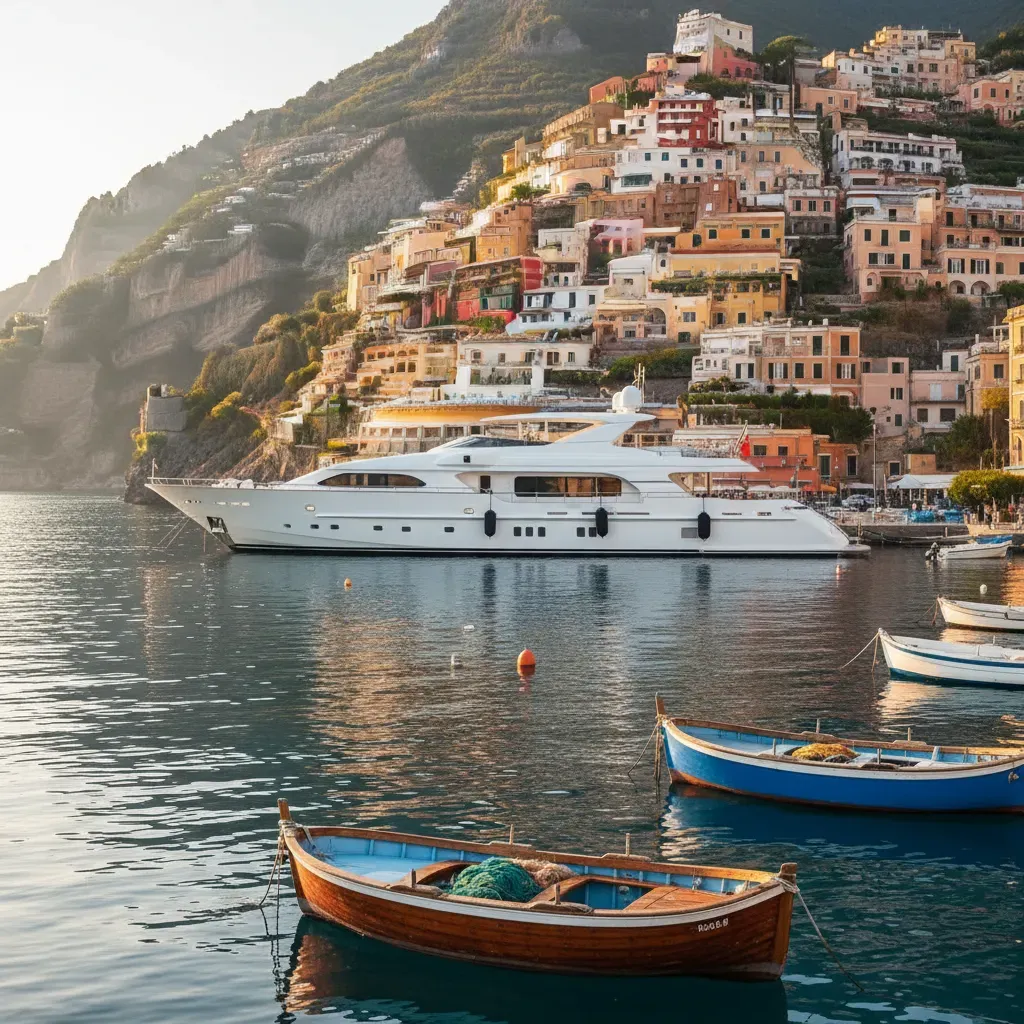
| French/Italian Riviera | July–August | June, September | Glamour, dining, nightlife |
| Turkey (Turquoise Coast) | June–September | May, October | Value, quiet bays, cuisine |
| Caribbean (BVI, St Martin) | December–April | November, May | Trade wind sailing, warm winter escape |
| Thailand | November–April | October, May | Long-haul, exotic, affordable crew |
Shoulder season is where the real value sits. Prices drop 20% to 40% compared to peak weeks, the anchorages are emptier, and the weather is usually still good. Late June in Greece or early September in Croatia gives you 90% of the peak experience at a fraction of the cost.
The Mediterranean season runs roughly May to October. The Caribbean season runs November to April. Some yachts reposition between the two, crossing the Atlantic in October/November and returning in April/May. If you are flexible on timing, ask your broker about repositioning charters, where you can sometimes get discounted rates as the yacht moves between seasons.
What to pack and how to prepare
Charter yachts have limited storage. Bring soft bags, not hard suitcases. Most yacht cabins cannot accommodate a rigid suitcase, and there is nowhere to store it once unpacked.
Essentials to pack:
- Swimwear (multiple sets, because nothing dries quickly in a humid cabin)
- Light layers for evenings on deck
- Non-marking, soft-soled shoes for on board (hard soles and dark rubber mark teak decks, and crew will notice)
- Sun protection: hat, UV shirt, high-SPF sunscreen (reef-safe if you are in marine-protected areas)
- A light waterproof jacket, even in summer
- Seasickness remedies if you are unsure of your tolerance, especially for the first day
- Snorkelling gear if you have your own and prefer it to rental sets
Leave behind:
- High heels and formal shoes (no yacht has a surface designed for them)
- Excessive luggage (you will not need 14 outfits for a 7-day charter)
- Drones, unless you have cleared it with the captain in advance. Many charter areas have restricted airspace.
For crewed charters, fill out the preference sheet thoroughly. If someone in your group is vegetarian, if half the group wants to be up at dawn and the other half sleeps until noon, if you hate marinas and want to anchor every night, say so. The crew can only tailor the trip if they know what you actually want.
FAQ
How much does a private yacht charter cost per person?
It depends on the charter type and destination. A bareboat catamaran in Greece splits to roughly €100 to €150 per person per day for a group of eight. A crewed motor yacht on the French Riviera runs €800 to €1,500 per person per day for a group of six. Superyacht charters can exceed €2,000 per person per day.
Do I need a licence to charter a yacht?
Only for bareboat charters, where you sail without a captain. Most Mediterranean countries require an International Certificate of Competence (ICC) or equivalent national licence. Skippered and crewed charters do not require the guest to hold any licence.
What is APA and how much should I budget for it?
APA (Advance Provisioning Allowance) is a cash float paid before a crewed charter, typically 25% to 35% of the base charter fee. The crew uses it for food, fuel, marina fees, and incidentals. Unspent APA is refunded at the end of the trip. On a €30,000 charter, budget €8,000 to €10,000 for the APA.
What happens if I cancel my charter?
Cancellation terms follow the MYBA Charter Agreement for most crewed charters. Cancelling 90+ days before departure typically results in a partial refund (minus an administrative fee). Cancelling within 30 days usually forfeits the full payment. Charter cancellation insurance is available and worth considering for bookings above €20,000.
When is the cheapest time to charter a yacht?
Shoulder season offers the best value: May to mid-June and September to October in the Mediterranean, November and May in the Caribbean. Prices drop 20% to 40% compared to peak season, with fewer crowds and generally good weather. Repositioning charters (when yachts move between Mediterranean and Caribbean seasons) can also offer discounted rates.
How far in advance should I book?
For peak season (July-August in the Med, December-March in the Caribbean), book six to twelve months ahead for the best yacht selection. Shoulder season bookings can be made two to four months in advance. Last-minute deals appear occasionally, but the best yachts and crews go early.