Dubai yacht charter market: opportunities and how to enter
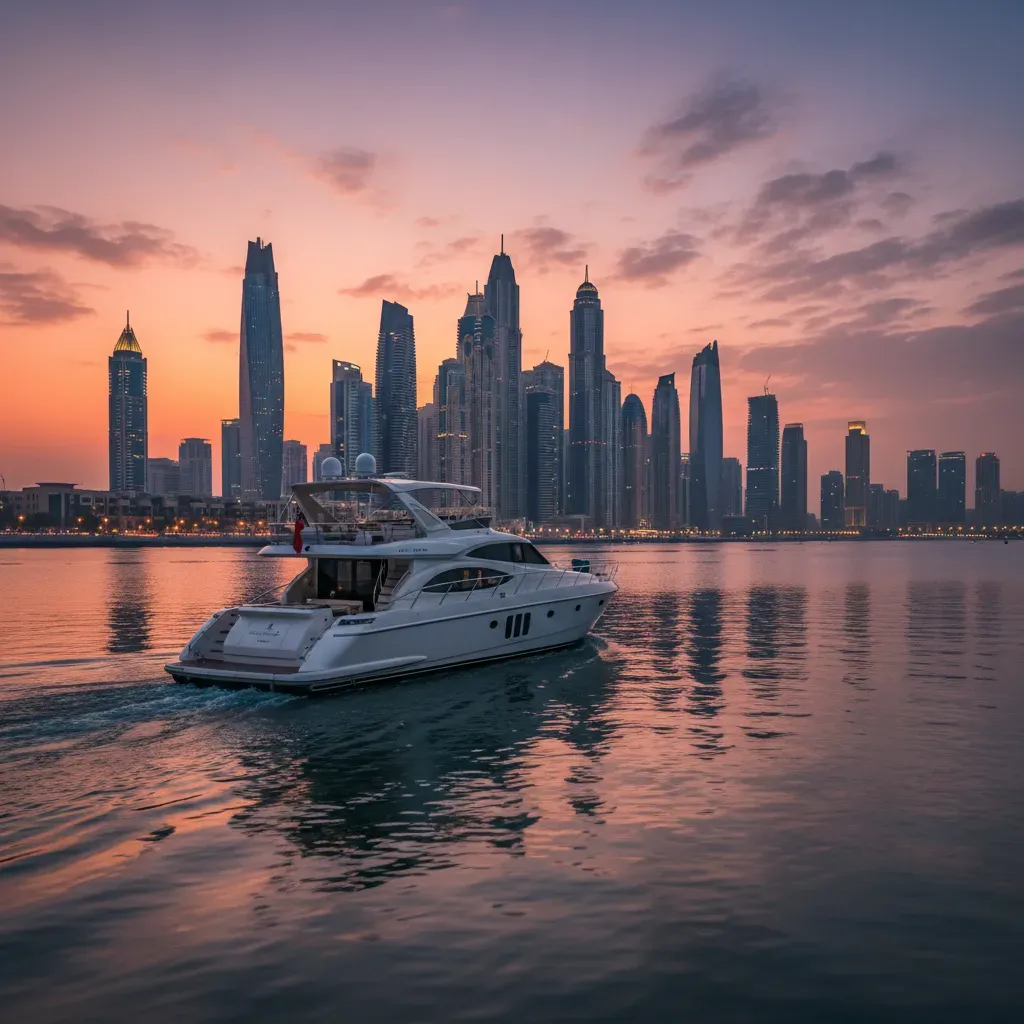
Dubai’s yacht charter market has grown faster than any comparable market in the past five years. The city drew over 17 million tourists in 2024 according to Dubai Tourism and Commerce Marketing (DTCM), and a growing share of those visitors want time on the water. Year-round warm weather, a coastline backed by one of the world’s most photographed skylines, and a government that actively courts maritime business have turned Dubai into a serious charter destination.
The market operates differently from the Mediterranean or the Caribbean, though. The season runs backwards (October to May instead of May to October), the regulatory framework is centralised under the Dubai Maritime City Authority (DMCA), and the customer mix skews toward short-duration charters rather than week-long bookings. Anyone considering Dubai as a base needs to understand these differences before committing capital.
Contents
- Market size and growth
- Season dynamics: when the money comes in
- DMCA licensing and regulatory requirements
- Marina comparison: where to base your yacht
- Customer profile and demand patterns
- Entry strategies for new operators
- Competitive landscape
- FAQ
Market size and growth
Dubai’s charter fleet has roughly tripled since 2018. The DMCA’s 2024 Maritime Sector Report counted over 900 licensed charter vessels operating in Dubai waters, up from around 300 in 2018. Most of that growth has been in the 30-to-60-foot range, where operators run half-day and full-day charters for tourists and resident groups.
The higher end of the market has grown too, though more slowly. SuperYacht Times counted 42 superyachts (above 30 metres) available for charter in UAE waters during the 2023-2024 winter season, compared to 18 five years earlier. These larger yachts typically operate on a weekly or multi-day basis, and many of them reposition from the Mediterranean for the winter.
What is driving the growth? Mostly tourism. Dubai’s 17.15 million overnight visitors in 2024 are a customer base that simply did not exist at this scale a decade ago. The city sits between Europe and Asia, which means a constant flow of high-spending travellers passing through.
Resident demand matters too. Dubai’s population of around 3.6 million includes a large number of high-net-worth residents who charter yachts for weekends and private events rather than buying their own vessel.
On the infrastructure side, the DMCA has developed marina capacity, streamlined licensing, and pushed Dubai as a maritime hub. Dubai Harbour, completed in 2021, added 700 berths with the superyacht segment specifically in mind. Expo 2020 (held in 2021-2022) also helped: the international attention and infrastructure investment it brought continued to benefit the maritime sector long after the event closed.
Season dynamics: when the money comes in
Dubai’s charter season is the inverse of the Mediterranean’s. The high season runs from October through April, when temperatures sit between 24°C and 30°C. May through September is the off-season, with temperatures regularly exceeding 40°C and humidity making outdoor activity on a yacht unpleasant for most guests.
| Period | Months | Avg. Temp | Charter Demand | Typical Daily Rate (50 ft) |
|---|---|---|---|---|
| Peak season | November–March | 24–28°C | High | AED 5,000–8,000 |
| Shoulder season | October, April | 30–34°C | Moderate | AED 3,500–5,500 |
| Off-season | May–September | 36–42°C | Low | AED 2,000–3,500 |
Peak season pricing can run 60% to 100% above off-season rates. New Year’s Eve and the Dubai International Boat Show (held each March at Dubai Harbour) are the two biggest spikes. Operators report that New Year’s Eve charters sell out months in advance, often at rates double the normal peak-season price.
The off-season is not dead, though. Night charters (departing at sunset, returning late) pick up demand from June through August when the daytime heat fades. Some operators run summer promotions at 30% to 40% below peak rates and still fill 40% to 50% of their calendar. Fishing charters, which depart before dawn, remain steady year-round because the fishing is actually better in warmer months.
The seasonal pattern creates a cash-flow challenge that Mediterranean operators will recognise. Revenue concentrates in six months, but berth fees, insurance, crew salaries, and loan repayments run all year. Operators who plan their finances around a seven-month revenue window (October through April) with five months of reduced income tend to survive. Those who assume year-round bookings run into trouble.
DMCA licensing and regulatory requirements
The Dubai Maritime City Authority handles all maritime commercial licensing in Dubai: vessel registration, safety inspections, crew certification, everything. If you have dealt with Mediterranean markets where three or four different agencies are involved, the single-authority model is a welcome change.
Licence types
The DMCA issues several licence categories relevant to charter operators. The Commercial Marine Craft Licence covers the vessel itself: registration, safety survey, insurance verification. It is renewed annually. Separately, you need a Marine Transport Activity Licence for the operating company, which is the actual business licence permitting you to offer charter services commercially.
Crew licensing is its own process. Every captain operating in Dubai waters needs a DMCA-approved licence. Foreign qualifications (RYA Yachtmaster Offshore and above, USCG, or equivalent) are accepted, but only after a DMCA endorsement process that includes a local waters assessment.
Key requirements
| Requirement | Details |
|---|---|
| Vessel survey | Annual hull and machinery survey by DMCA-approved surveyor |
| Insurance | Third-party liability minimum AED 5 million; hull insurance recommended |
| Safety equipment | Life jackets for 150% of capacity, fire extinguishers, flares, first aid kit, VHF radio |
| Crew certification | Captain: DMCA licence or endorsed foreign equivalent; crew: basic safety training |
| AIS transponder | Required for vessels above 20 metres |
| Passenger capacity | Determined by survey; must not be exceeded |
The licensing process takes four to eight weeks for straightforward applications. Most of the paperwork is handled through the DMCA’s online portal, which works considerably better than the paper-heavy systems common in Mediterranean jurisdictions. Budget AED 15,000 to AED 30,000 for initial licensing and survey costs, depending on vessel size.
One regulation catches some foreign operators off guard: all charter vessels in Dubai must be registered under the UAE flag or hold a temporary cruising permit. Yachts flagged in the Caymans, Marshall Islands, or European registries cannot simply start chartering without completing the local registration or permit process. The Federal Transport Authority (FTA) oversees flag registration at the federal level, while the DMCA handles the operational licence.
Marina comparison: where to base your yacht
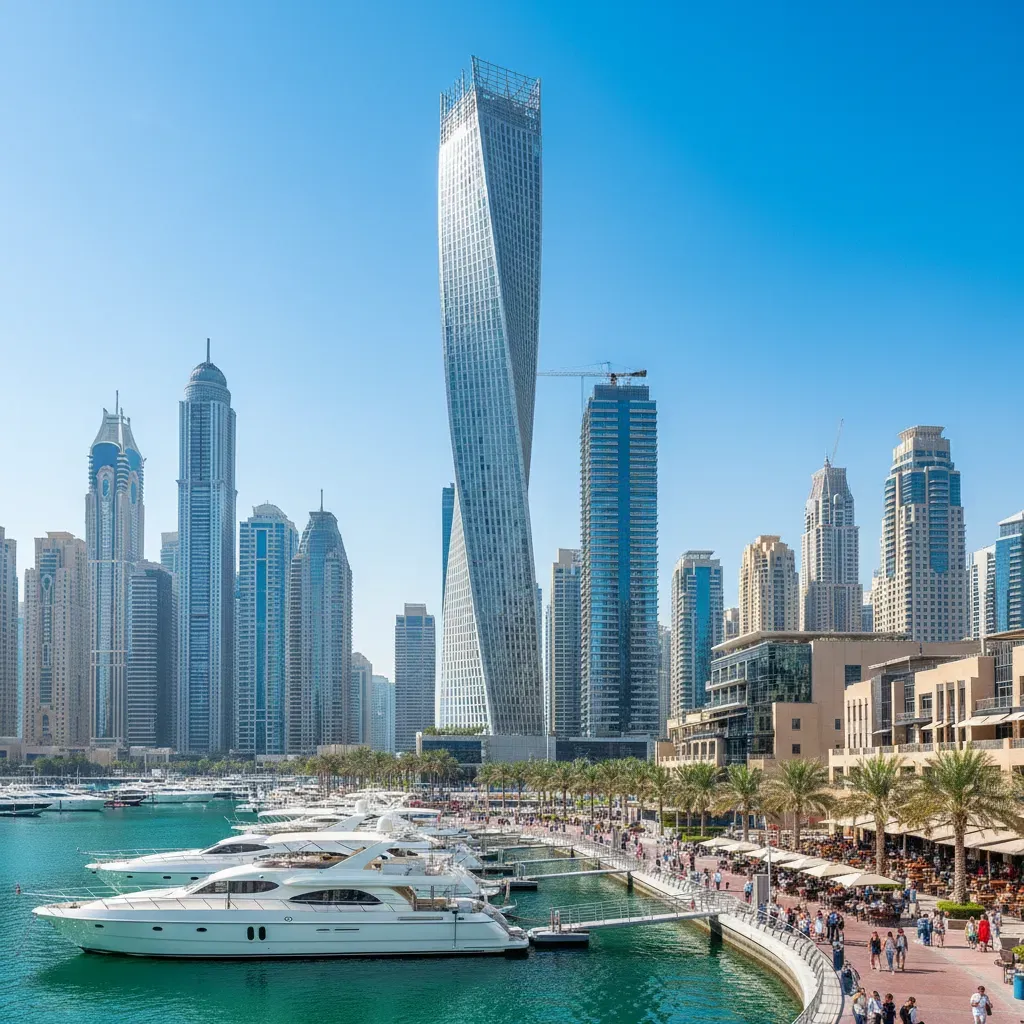
Your choice of home marina affects everything from walk-in visibility to berth costs and proximity to your target customers. Dubai has three primary charter marina clusters.
Dubai Marina
The original and still the busiest charter hub. Dubai Marina sits in the middle of the JBR (Jumeirah Beach Residence) tourist zone, with direct pedestrian access from hotels and restaurants. Most of Dubai’s small and mid-size charter operators (30 to 60 feet) base here because the foot traffic generates walk-in enquiries. Berth availability is tight, and rates run AED 1,200 to AED 2,500 per metre annually. The marina handles around 400 vessels and has full service facilities including fuel, water, and pump-out.
Dubai Harbour
The newest facility, positioned between Palm Jumeirah and Bluewaters Island. Dubai Harbour opened in 2021 with 700 berths, including 60 berths for superyachts above 30 metres. It hosts the Dubai International Boat Show and is where the DMCA has concentrated its push to attract larger vessels. Berth rates are higher than Dubai Marina (AED 1,800 to AED 3,500 per metre annually), but the facilities are newer and the marina specifically caters to the premium segment. For operators with yachts above 50 feet targeting the luxury market, Dubai Harbour is the strongest base.
Palm Jumeirah marinas
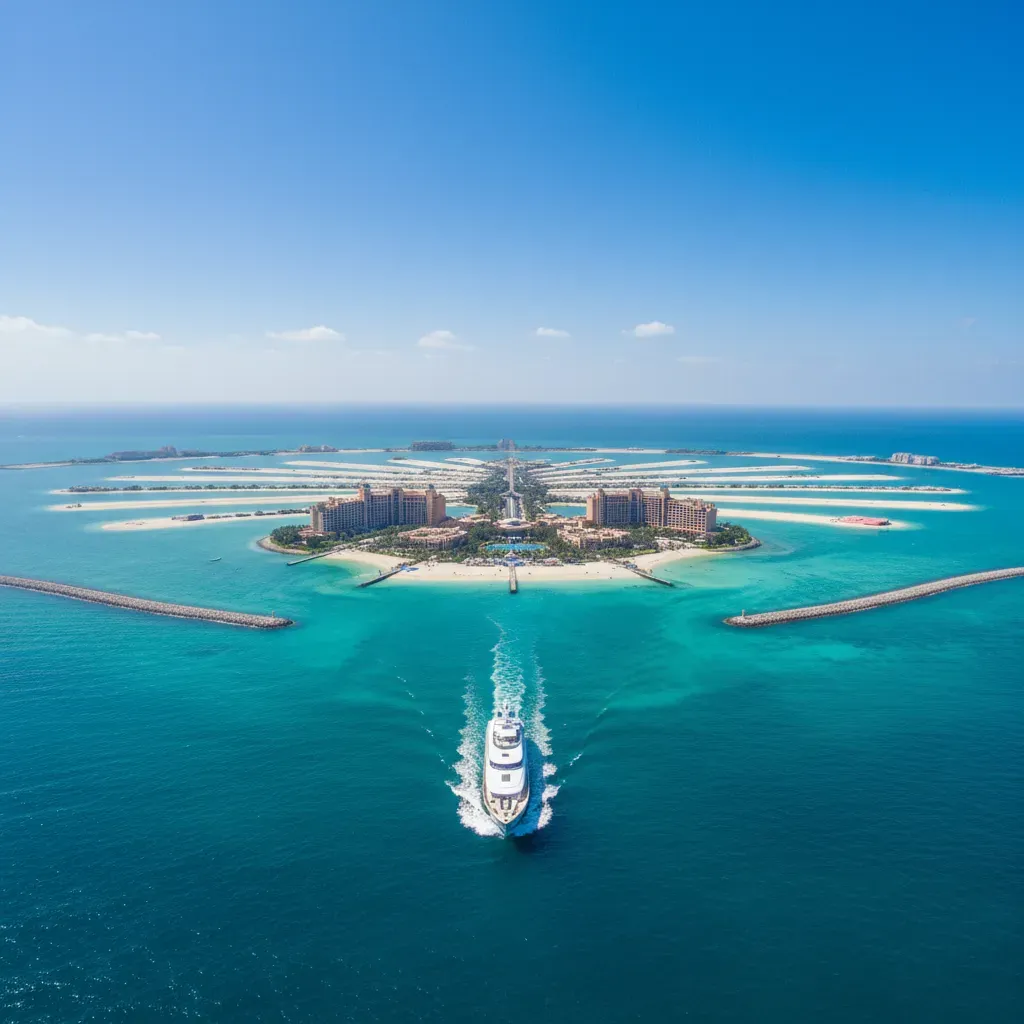
Several smaller marinas dot the Palm Jumeirah, including the marina at Atlantis and various private berths along the fronds. These locations offer proximity to some of Dubai’s most expensive real estate and hotels, which can be useful for targeting high-end residential clients. Berth availability is more limited and often requires relationships with specific property developers. Rates vary widely.
| Marina | Best For | Berth Cost (per m/year) | Superyacht Berths | Walk-in Traffic |
|---|---|---|---|---|
| Dubai Marina | Small/mid-size charters, tourist volume | AED 1,200–2,500 | Limited | High |
| Dubai Harbour | Superyachts, premium segment | AED 1,800–3,500 | 60+ | Moderate |
| Palm Jumeirah | Luxury residential clients, events | AED 1,500–3,000 | Limited | Low |
Customer profile and demand patterns
Dubai’s charter customers split into four segments. Which one you target determines your pricing, your marketing approach, and even the yacht you buy.
Tourist groups make up 40% to 50% of the market by volume. Groups of four to twelve booking two-to-four-hour charters, usually through hotel concierges, online platforms, or marina walk-ins. They spend AED 2,000 to AED 5,000 per trip. Price-sensitive, driven by the experience of being on the water with the skyline behind them. Highest volume, lowest per-booking revenue.
Resident leisure accounts for 25% to 30%. Dubai residents, both Emirati and expatriate, booking weekend half-day or full-day charters for family outings, birthdays, and social gatherings. These customers tend to come back. They book directly, pay a premium for a vessel they trust and a crew they know. Average spend: AED 4,000 to AED 10,000 per charter.
Corporate and events run 15% to 20%. Companies booking yachts for client entertainment, product launches, filming, and team events. Most profitable per hour, most irregular. Corporate clients book through event agencies and expect full customisation: catering, branding, entertainment. Average spend: AED 8,000 to AED 30,000.
The luxury and superyacht segment is 5% to 10%. High-net-worth individuals booking multi-day or weekly charters on yachts above 50 feet. This segment overlaps with the global superyacht charter market and is served by international brokers like Burgess Yachts, Fraser Yachts, and Camper & Nicholsons, who list Dubai alongside the Mediterranean and Caribbean. Weekly rates for a 25-to-30-metre yacht in Dubai range from AED 80,000 to AED 200,000.
The most common mistake for new operators is trying to serve all four segments at once. A 45-foot motor yacht priced at AED 1,500 per hour works for tourist groups but will not attract corporate clients who expect a specific level of presentation. Pick one segment, equip the yacht for it, and expand later.
Entry strategies for new operators
Entering the Dubai charter market requires capital, but less than starting a comparable operation in the Western Mediterranean. Crew costs are lower, there is no VAT equivalent on charter fees (Dubai applies 5% VAT, but the charter industry benefits from certain free-zone structures), and the DMCA licensing process is more straightforward than what most European jurisdictions require.
Option 1: buy and operate
Purchase a vessel and run your own charter operation. This gives you full control over pricing, scheduling, and guest experience. A three-to-five-year-old 50-foot motor yacht suitable for Dubai charter costs AED 700,000 to AED 1,500,000 on the local secondhand market. Add AED 100,000 to AED 200,000 for licensing, safety upgrades, marketing, and three months of working capital. Total investment: AED 800,000 to AED 1,700,000.
The buy-and-operate route works best for operators who plan to be in Dubai long term, have marine industry experience, and can manage crew recruitment and maintenance scheduling directly. See our Start a Yacht Charter Business guide for the full step-by-step process.
Option 2: charter management company
Place your yacht with a Dubai-based charter management company that handles bookings, crew, maintenance, and compliance. You own the yacht; they run the business. Management fees typically run 20% to 30% of gross charter revenue, plus a monthly management fee of AED 3,000 to AED 8,000.
This option suits absentee owners or investors who want exposure to the Dubai charter market without running day-to-day operations. The trade-off is lower net returns and less control over how your yacht is marketed and maintained.
Option 3: partnership or fleet placement
Some established Dubai charter companies accept third-party yachts into their existing fleet. The yacht operates under the company’s brand and booking infrastructure. Revenue splits vary, typically 60/40 or 70/30 in the owner’s favour after direct costs.
This is the lowest-risk entry point but also the lowest-return. It makes the most sense for owners who already have a yacht sitting in Dubai and want it earning something during the months they are not aboard.
| Entry Strategy | Capital Required | Monthly Overhead | Revenue Control | Risk Level |
|---|---|---|---|---|
| Buy and operate | AED 800K–1.7M | AED 25,000–50,000 | Full | Higher |
| Charter management | AED 700K–1.5M + fees | AED 15,000–35,000 | Partial | Medium |
| Fleet placement | Yacht only | AED 5,000–15,000 | Limited | Lower |
Competitive landscape
The Dubai charter market is top-heavy. A handful of large operators run fleets of 15 to 40 vessels each and own the tourist segment through volume, online visibility, and hotel partnerships. Below them, dozens of smaller operators run one to five yachts.
The large operators compete on price, running tight margins on high volume. They have the booking infrastructure, the advertising budgets, and the hotel concierge relationships to keep their fleets moving. Trying to undercut them on price as a new entrant with a single yacht is a losing proposition.
New operators tend to find space in segments the large fleets do not serve well. Premium day charters, for instance: a well-maintained yacht in the 50-to-70-foot range with good crew can charge more for a noticeably better experience than the budget fleet. Corporate and event charters are another gap, though they require relationship-building with event agencies that large operators are often too busy to manage individually. Fishing charters are a specialised niche with loyal, direct-booking customers. And overnight or multi-day trips remain underserved in Dubai compared to the Mediterranean, particularly for guests who want to anchor off the World Islands or cruise to Fujairah for a weekend.
Online platforms matter more in Dubai than in most charter markets. CharterClick, Click&Boat, and GetMyBoat all have significant Dubai listings, with commission rates of 15% to 20%. Your own website and Google Business Profile are worth investing in, because tourists search “yacht charter dubai” and “dubai marina boat rental” in high volume. Professional photography and Google reviews are the two things that most directly affect bookings. Operators with 50+ five-star reviews and good photos consistently outperform those without, regardless of fleet size.
The Dubai International Boat Show, held annually at Dubai Harbour, is the region’s largest marine industry event and worth attending for networking alone. The Emirates Maritime Arbitration Centre (EMAC) also hosts industry events that give useful insight into where regulation is heading.
FAQ
How much does it cost to start a yacht charter business in Dubai?
Total first-year costs range from AED 800,000 to AED 1,700,000 for a buy-and-operate model with a 50-foot motor yacht. This includes the vessel purchase, DMCA licensing, safety equipment, insurance, marketing, and three months of working capital. Placing a yacht with a management company reduces the operational setup costs but adds ongoing management fees.
What licence do I need to charter a yacht in Dubai?
You need two licences from the Dubai Maritime City Authority: a Commercial Marine Craft Licence for the vessel and a Marine Transport Activity Licence for the operating company. Both require an annual survey, valid insurance, and approved crew certifications. The process takes four to eight weeks.
When is the best season for yacht charters in Dubai?
The peak charter season runs from November through March, when temperatures are comfortable and tourist arrivals are highest. October and April are shoulder months with moderate demand. The summer months (May through September) see reduced bookings due to extreme heat, though night charters and fishing trips maintain some activity.
Can I charter a foreign-flagged yacht in Dubai?
Foreign-flagged vessels must either re-register under the UAE flag or obtain a temporary cruising permit from the Federal Transport Authority before operating commercially in Dubai. Simply arriving with a foreign flag and offering charters is not permitted and can result in fines or vessel detention by the DMCA.
How does Dubai compare to the Mediterranean for yacht charter?
Dubai offers a shorter peak season (six months versus seven to eight in the Med) but higher average daily rates for comparable vessels. Operating costs are lower, particularly crew salaries and marina fees. The customer mix is different: Dubai skews toward short charters (two to eight hours) while the Mediterranean is built around weekly bookings. Dubai also has no charter fee VAT equivalent to the 12% to 24% charged in most EU countries, although a 5% UAE VAT applies to certain services.
What type of yacht works best for Dubai charter?
Motor yachts in the 40-to-60-foot range with large aft decks and shaded outdoor areas are the workhorses of the Dubai fleet. Air conditioning is non-negotiable. Guests prioritise comfort and shade over speed or sailing ability. For the premium segment, flybridge motor yachts from builders like Gulf Craft, Azimut, and Sunseeker are the most commonly chartered.